Revealed! The Hidden Secrets Behind Successful Construction & Building Projects
The construction and building industry stands at the heart of modern civilization, shaping the skylines we admire and the infrastructure we depend on every day.

Behind every towering skyscraper and well-designed home lies a combination of careful planning, innovation, and strategic execution that determines whether a project succeeds or fails. Understanding these hidden elements can transform an ordinary project into an extraordinary achievement. You can use Architecture and maximize the benefits of your home design.
Strategic Planning as the Foundation of Success
Every successful construction project begins long before the first brick is laid. Strategic planning sets the direction, scope, and feasibility of the entire project. Without a clear plan, even the most well-funded projects can face delays, cost overruns, and structural issues.
A comprehensive plan includes budgeting, timeline development, risk assessment, and resource allocation. These components ensure that all aspects of the project are aligned and prepared for potential challenges. Proper planning also allows stakeholders to anticipate obstacles and develop solutions in advance.
Collaboration during the planning phase is equally important. Architects, engineers, contractors, and clients must work together to ensure that the vision is realistic and achievable. When everyone is aligned from the beginning, the project has a much stronger foundation for success.
The Role of Skilled Workforce and Leadership
Behind every successful building project is a team of skilled professionals who bring expertise and precision to their work. From engineers to construction workers, each role contributes to the overall quality and efficiency of the project.
Leadership plays a critical role in managing this workforce. Strong project managers ensure that tasks are completed on time, communication flows smoothly, and problems are addressed quickly. Effective leadership can mean the difference between a project that runs smoothly and one that faces constant setbacks.
Training and continuous improvement are also essential. The construction industry evolves with new techniques and technologies, and workers must adapt to remain competitive. Investing in skill development not only improves project outcomes but also enhances safety and productivity on-site.
Also Read: Join The Student Community Everyone Is Talking About, Don’t Miss Out!
Innovation and Technology Driving Modern Construction
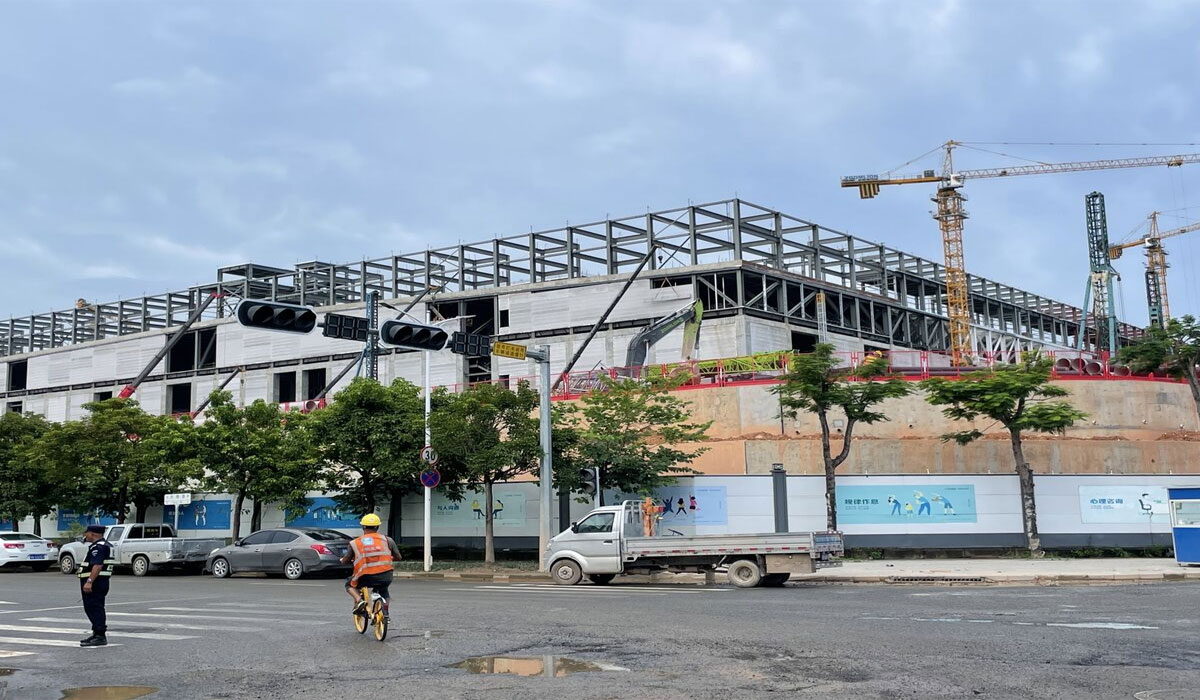
Technology has become a game-changer in the construction and building industry. Tools such as Building Information Modeling, drones, and advanced machinery have revolutionized how projects are designed and executed.
These innovations allow for greater accuracy and efficiency. For example, digital modeling helps identify design flaws before construction begins, reducing costly errors. Automation and smart equipment also speed up processes while maintaining high standards of quality.
Sustainability is another area where innovation plays a key role. Modern construction increasingly focuses on eco-friendly materials and energy-efficient designs. This not only benefits the environment but also meets the growing demand for sustainable living spaces.
Managing Costs, Time, and Quality Effectively
Balancing cost, time, and quality is one of the biggest challenges in construction projects. Successful projects are those that manage to optimize all three without compromising the overall outcome.
Cost management involves careful budgeting and monitoring expenses throughout the project. Unexpected costs can quickly escalate, so having contingency plans is essential. Transparent financial management also builds trust among stakeholders.
Time management is equally critical. Delays can lead to increased costs and missed opportunities. By setting realistic timelines and maintaining strict schedules, project managers can ensure that work progresses efficiently.
Quality control ensures that the final structure meets safety standards and client expectations. Regular inspections and adherence to regulations are necessary to maintain high-quality results. When cost, time, and quality are balanced effectively, the project stands as a testament to professional excellence.
Conclusion
Successful construction and building projects are the result of careful planning, skilled teamwork, innovative technology, and effective management. Each element plays a vital role in turning ideas into tangible structures that serve communities and shape the future. By understanding and applying these hidden secrets, developers and professionals can achieve outstanding results and create projects that stand the test of time.
Image Source:
- First Image from linkedin.com
- Second Image from architecturendesign.net
