From Basic to Dream Living! The Evolution of Residential Homes You Must See
The concept of home has evolved dramatically over time, reflecting changes in culture, technology, and human needs.
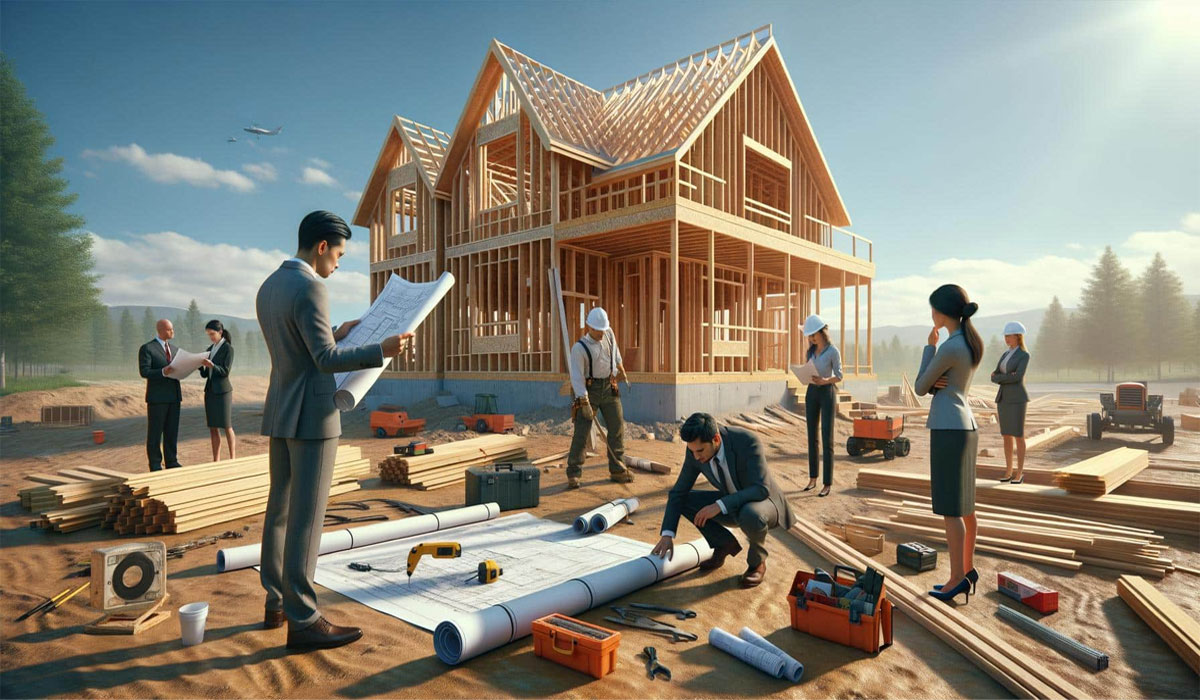
What was once a simple shelter has transformed into a space that embodies comfort, innovation, and personal identity. Today’s residential homes are not just places to live but environments designed to enhance every aspect of daily life. You can use Architecture and maximize the benefits of your home design.
The Early Foundations of Residential Living
In the past, residential homes were primarily built with functionality in mind. Early structures focused on providing protection from weather and external threats, using materials that were readily available in the surrounding environment. These homes were simple, practical, and often shared by extended families.
As societies developed, so did architectural styles and construction techniques. Homes began to reflect social status and cultural identity. Features such as separate rooms, decorative elements, and improved layouts became more common, marking a shift toward greater comfort and individuality.
Despite these advancements, the core purpose remained unchanged. Homes were still centered around safety and basic living needs. However, these early developments laid the groundwork for the more sophisticated residential designs seen today.
The Rise of Modern Design and Functionality
The modern era brought significant changes to residential home design. Advances in construction technology allowed for more complex and efficient structures. Homes became more spacious, with improved layouts that supported modern lifestyles.
Open floor plans became increasingly popular, creating a sense of connectivity within the home. Natural lighting and ventilation were also prioritized, enhancing both comfort and energy efficiency. These elements transformed homes into more pleasant and livable spaces.
In addition, the integration of new materials and design concepts allowed homeowners to personalize their living environments. From minimalist interiors to more elaborate designs, residential homes began to reflect the unique preferences of their occupants.
Also Read: Revealed! The Hidden Secrets Behind Successful Construction & Building Projects
Technology Transforming Everyday Living
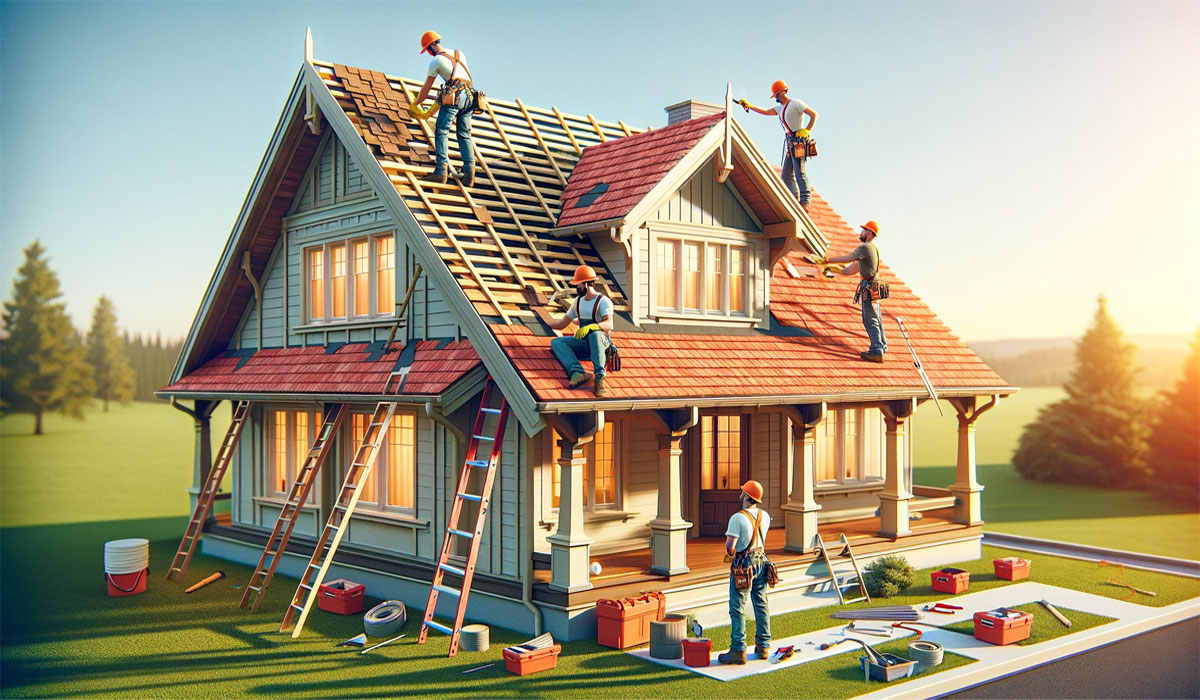
Technology has played a major role in shaping the evolution of residential homes. Smart home systems now allow residents to control lighting, temperature, and security with ease. These innovations have made homes more convenient and efficient.
Automation has also improved safety and energy management. Features such as smart locks, surveillance systems, and energy monitoring tools provide greater control and peace of mind. This level of integration was unimaginable in earlier generations of housing.
Furthermore, technology has influenced how spaces are used within the home. Home offices, entertainment rooms, and multifunctional areas have become essential, reflecting changes in work and lifestyle patterns. Residential homes are now designed to adapt to a variety of needs.
Sustainability and the Future of Housing
As environmental concerns grow, sustainability has become a key focus in residential development. Modern homes are increasingly designed to minimize environmental impact while maximizing efficiency and comfort.
Energy-efficient systems, such as solar panels and advanced insulation, are becoming more common. These features reduce energy consumption and lower long-term costs, making sustainable living more accessible to homeowners.
The use of eco-friendly materials is also gaining popularity. Builders are exploring ways to reduce waste and create homes that are both durable and environmentally responsible. This shift reflects a growing awareness of the importance of sustainable practices.
Looking ahead, the future of residential homes is likely to be shaped by continued innovation. Smart technology, sustainable design, and evolving lifestyle needs will drive further transformation, creating homes that are even more adaptable and efficient.
Conclusion
The evolution of residential homes highlights the remarkable progress made in meeting human needs and aspirations. From simple shelters to advanced living spaces, homes have become a reflection of both technological advancement and personal expression. As the world continues to change, residential homes will remain at the center of daily life, adapting to new challenges while providing comfort, security, and a sense of belonging.
Image Source:
- First Image from linkedin.com
- Second Image from architecturendesign.net
