Architecture & Design Secrets: Innovations That Are Changing Cities Forever!
The way we experience cities is changing faster than ever before Architecture and design innovations are transforming skylines.

Public spaces, and even how people interact with their environment. From futuristic buildings to sustainable urban planning, these breakthroughs are redefining what it means to live, work, and play in modern cities. You can use Architecture and maximize the benefits of your home design.
Futuristic Skyscrapers and Iconic Buildings
Skyscrapers are no longer just functional; they have become symbols of innovation and identity for cities around the world. Architects are using cutting-edge materials and technologies to create buildings that are not only visually stunning but also environmentally efficient. Glass facades that adapt to sunlight, self-healing concrete, and modular construction techniques allow for structures that push the boundaries of imagination.
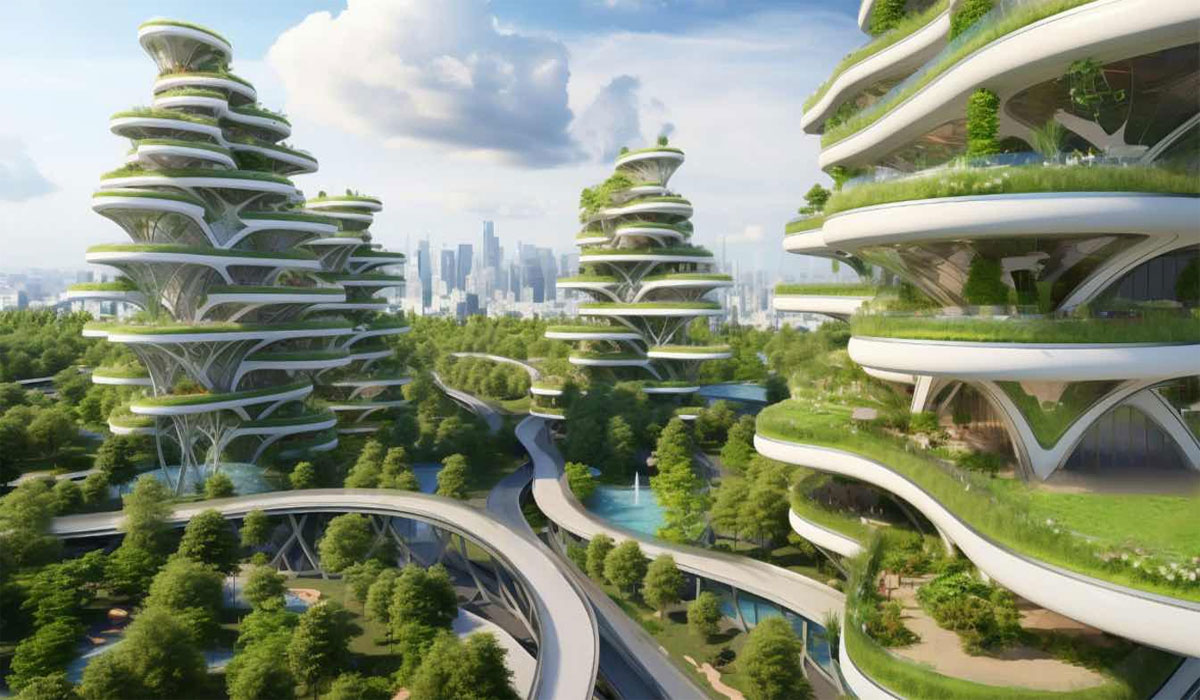
Many cities are embracing mixed-use towers that combine residential, commercial, and recreational spaces in a single building. This approach encourages urban density while reducing the need for long commutes, fostering vibrant communities that thrive vertically as well as horizontally. These skyscrapers are often equipped with green terraces, gardens, and energy-efficient systems that contribute to a sustainable urban ecosystem.
Beyond functionality, iconic skyscrapers are designed to become landmarks and tourist attractions. Buildings like these can define a city’s identity and become hubs for culture, business, and innovation. They demonstrate how architecture can inspire and connect people while reflecting a city’s ambition and creativity.
Sustainable Urban Design
Sustainability has become a central theme in modern architecture and urban planning. Cities are now prioritizing designs that reduce environmental impact, improve energy efficiency, and enhance the quality of life for residents. Green rooftops, vertical gardens, and rainwater harvesting systems are increasingly common in urban developments, helping cities manage resources more responsibly.
Urban planners are also incorporating walkable streets, bicycle lanes, and public transportation hubs to reduce traffic congestion and carbon emissions. This shift promotes healthier lifestyles and stronger community engagement, as residents interact more with shared public spaces. Smart city technologies complement these efforts, using sensors and data to optimize energy consumption, waste management, and transportation.
Designing for sustainability also means considering long-term resilience. Buildings and infrastructure are now engineered to withstand extreme weather, natural disasters, and the challenges posed by climate change. This forward-thinking approach ensures that cities remain livable and adaptable for generations to come.
Also Read: Inspiring Structures, Transforming Ideas And Visionary Design
Interactive Public Spaces
Architecture today is not limited to buildings alone; public spaces are being reimagined as interactive, multifunctional environments. Parks, plazas, and pedestrian zones are designed to encourage social interaction, cultural expression, and community activities. Smart lighting, digital installations, and responsive surfaces transform ordinary spaces into dynamic experiences that engage citizens.
Interactive public spaces also incorporate accessibility and inclusivity. Designers consider the needs of all demographics, including children, elderly residents, and people with disabilities. This creates environments where everyone can participate in city life, promoting equality and social cohesion.
Technology plays a critical role in these spaces. From augmented reality installations to sensors that monitor air quality and foot traffic, urban design now merges physical and digital experiences. These innovations help cities adapt to changing needs and provide real-time feedback for continuous improvement.
Smart Homes and Adaptive Architecture
The rise of smart homes and adaptive architecture is reshaping residential spaces. Buildings now integrate automation, energy management systems, and AI-assisted design to create more comfortable and efficient living environments. Smart thermostats, lighting, and appliances allow residents to customize their homes while reducing energy usage.
Adaptive architecture goes beyond convenience it responds to environmental and social factors. Facades that adjust to sunlight, windows that tint automatically, and modular interior spaces that can be reconfigured create homes that evolve with residents’ needs. These designs promote sustainability, comfort, and long-term value.
Furthermore, smart homes are often connected to broader city systems. Integration with public transport, energy grids, and emergency services enhances safety and efficiency. This holistic approach ensures that modern architecture is not only visually appealing but also deeply connected to the urban ecosystem it inhabits.
Conclusion
Architecture and design in 2026 are more than aesthetics they are catalysts for innovation, sustainability, and social transformation. Futuristic skyscrapers, sustainable urban planning, interactive public spaces, and adaptive smart homes are shaping cities that are functional, resilient, and inspiring.
As technology and creativity continue to intersect, the cities of the future will be more than places to live they will be immersive, adaptive environments that reflect human ambition, ingenuity, and the desire for a better quality of life.
Image Source:
- First Image from linkedin.com
- Second Image from architecturendesign.net
