Innovative Modern Architecture Ideas Transforming Residential Spaces Today
Modern architectural innovations create flexible, sustainable, minimalist homes that connect with nature, enhancing comfort and everyday living.
Today’s homeowners seek designs that reflect personal style while embracing efficiency and comfort. Innovative architectural ideas are pushing boundaries, transforming traditional homes into dynamic, adaptable living spaces. The following will Architecture discuss Innovative Modern Architecture Ideas Transforming Residential Spaces Today
Open-Plan Living And Flexible Spaces
One of the most prominent trends in contemporary residential architecture is the open-plan layout. By removing traditional walls and partitions, architects create seamless transitions between the living room, kitchen, and dining areas. This design encourages social interaction and makes the home feel more spacious and connected.
Flexible spaces go beyond open layouts. Modern homes increasingly incorporate movable partitions, sliding walls, or multifunctional furniture to adapt rooms for different purposes. A single area can function as a workspace, playroom, or entertainment hub, enhancing the versatility and usability of residential spaces.
Sustainable And Eco-Friendly Design
Sustainability has become a cornerstone of modern architecture. Innovative designs prioritize energy efficiency, reduced waste, and environmentally friendly materials. Solar panels, green roofs, rainwater harvesting systems, and passive heating and cooling techniques are increasingly integrated into residential projects.
Eco-conscious architecture not only benefits the environment but also improves homeowners’ quality of life. Energy-efficient homes reduce utility costs and create healthier indoor environments. Additionally, the use of recycled or locally sourced materials adds character to homes while minimizing their ecological footprint.
Integration Of Smart Home Technology
Modern residential spaces are becoming increasingly smart. From automated lighting and climate control to security systems and voice-activated assistants, smart technology enhances convenience, comfort, and efficiency. Architects now consider technology integration from the initial design phase, ensuring that homes are wired for seamless automation.
Innovative ideas also include energy monitoring systems that track electricity consumption, smart appliances that adjust to usage patterns, and home networks that connect multiple devices. These advancements transform homes into responsive, intelligent environments that cater to the lifestyles of modern families.
Also Read: Designing Spaces, Architecture Made Simple For Beginners
Minimalist Aesthetics with Bold Accents.
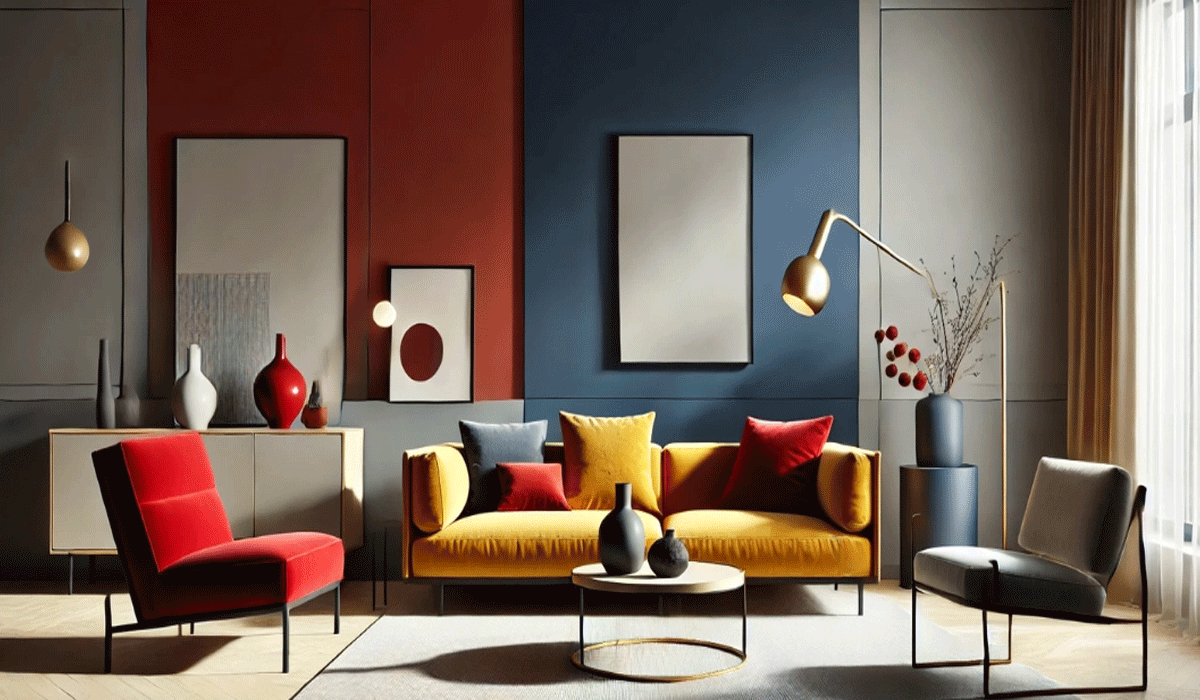
Minimalism continues to influence contemporary residential architecture. Clean lines, uncluttered spaces, and neutral color palettes create a sense of tranquility and openness. Modern architects use minimalism to focus on functionality while enhancing visual appeal through carefully selected materials and textures.
To add personality, designers often introduce bold accents such as statement walls, geometric patterns, or contrasting materials like wood, concrete, and metal. This approach maintains the simplicity of modern design while creating visually dynamic interiors that feel sophisticated yet inviting.
Biophilic Design And Natural Connections
Connecting residential spaces to nature is another transformative trend in modern architecture. Biophilic design incorporates natural light, indoor plants, and organic materials to improve residents’ well-being and foster a sense of harmony with the environment.
Architects also integrate large windows, terraces, and garden spaces that blur the line between indoor and outdoor areas. This connection to nature enhances air quality, reduces stress, and makes homes more enjoyable to inhabit. Water features, living walls, and natural ventilation systems are additional elements that elevate modern residential design through biophilic principles.
Conclusion
Innovative modern architecture is redefining residential spaces by combining flexibility, sustainability, technology, and aesthetic appeal. Open-plan layouts, eco-friendly designs, smart home integration, minimalist aesthetics, and biophilic elements are transforming traditional homes into adaptable, efficient, and visually inspiring living environments.
As homeowners continue to prioritize comfort, functionality, and sustainability, these architectural innovations will shape the future of residential living, offering spaces that are as practical as they are beautiful. Get full access to the latest tricks and updates, only on Architecture.
Image Source From.
- First Photo From: https://amazingarchitecture.com/
- Second Photo of: https://indicus.in/
