Architecture & Design Secrets You’ve Never Seen Before Will Amaze You
Architecture and design shape the way humans live, move, and experience the world From ancient temples carved in stone to futuristic.
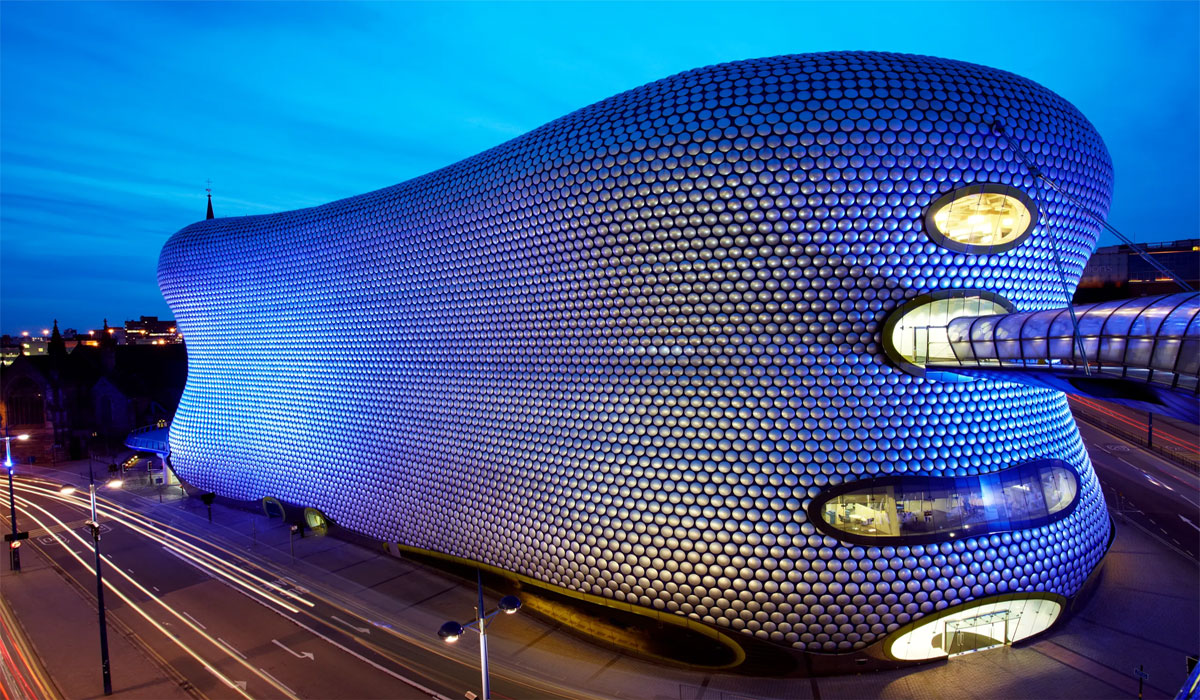
Skyscrapers made of glass and steel, every structure tells a story about culture, innovation, and human ambition. While many people admire beautiful buildings from the outside, few truly understand the hidden principles, techniques, and creative decisions that make them possible. Behind every stunning structure lies a world of secrets that blend science, art, and imagination. See and follow the complete information only at Architecture.
The Hidden Language Behind Architectural Design
Architecture is not just about building structures but about communicating ideas through space and form. Every curve, angle, and material choice carries meaning that influences how people feel when they enter a building. Architects often use geometry, symmetry, and proportion to create balance and harmony that the human eye naturally finds appealing.
One of the most fascinating aspects of architectural design is the use of mathematical principles. Concepts such as the golden ratio have been used for centuries to create visually pleasing structures. These principles help architects design buildings that feel naturally balanced, even if observers are not consciously aware of why they look beautiful.
Cultural influence also plays a major role in shaping architectural language. Different regions around the world have developed unique styles based on climate, tradition, and available materials. This is why buildings in Japan, Europe, and the Middle East can look dramatically different while still serving similar functional purposes.
Engineering Marvels That Defy Imagination
Modern architecture often pushes the boundaries of engineering to achieve designs that once seemed impossible. Skyscrapers that stretch into the clouds and bridges that span vast distances are made possible through advanced engineering techniques and materials science. These structures are carefully calculated to withstand natural forces such as wind, earthquakes, and weight distribution.
One key innovation in modern construction is the use of steel frameworks and reinforced concrete. These materials allow buildings to be both strong and flexible, reducing the risk of collapse under pressure. Engineers continuously test and refine these materials to ensure safety and durability.
Another remarkable development is the use of computer modeling in architectural design. Before a single brick is laid, entire buildings are simulated digitally. This allows architects and engineers to identify potential weaknesses and optimize designs for efficiency and safety, reducing costly mistakes during construction.
The Art of Interior Design and Human Experience
Interior design focuses on how people interact with spaces on a personal level. It goes beyond aesthetics and considers comfort, functionality, and emotional impact. The arrangement of furniture, lighting, and color schemes all influence how a space feels to its occupants.
Lighting is one of the most powerful tools in interior design. Natural light can make spaces feel larger and more welcoming, while artificial lighting can create mood and atmosphere. Designers carefully plan lighting placement to enhance both practicality and visual appeal.
Color psychology is another important aspect of interior design. Different colors can evoke different emotions, such as calmness, energy, or focus. By understanding these effects, designers can create environments that support productivity, relaxation, or creativity depending on the purpose of the space.
Also Read: You Won’t Believe What Happens When A Building Project Goes Wrong!
Sustainable Architecture and the Future of Design
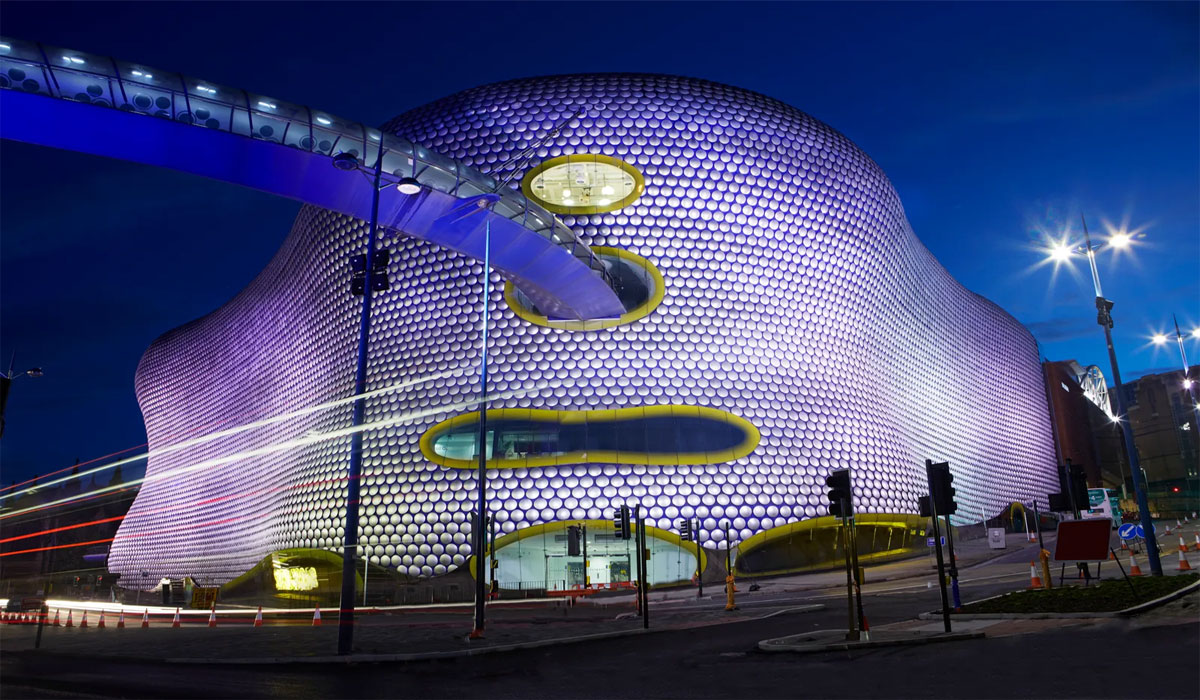
Sustainability has become a major focus in modern architecture as the world faces environmental challenges. Architects are now designing buildings that reduce energy consumption, minimize waste, and use eco friendly materials. This shift reflects a growing awareness of environmental responsibility in the construction industry.
Green buildings often incorporate features such as solar panels, natural ventilation systems, and water recycling technologies. These innovations help reduce the environmental footprint of structures while also lowering long term operating costs for occupants.
Looking ahead, the future of architecture is expected to combine technology, sustainability, and human centered design. Smart buildings equipped with sensors and automation systems will become more common, allowing spaces to adapt to the needs of their users in real time.
Conclusion
Architecture and design are far more than visual expressions of creativity. They are deeply rooted in science, culture, and human behavior. From hidden mathematical principles to advanced engineering and sustainable innovations, every element plays a role in shaping the spaces we live in. As technology continues to evolve, architecture will likely become even more intelligent, efficient, and environmentally conscious, offering new possibilities that continue to amaze and inspire future generations.
Image Information Source:
- First Image of www.instamojo.com
- Second Image of www.instamojo.com
