Mind-Blowing Architecture & Design Trends That Will Redefine 2026
Architecture and design are evolving at an astonishing pace, and 2026 promises innovations that will completely transform the spaces we live, work, and play in.

From sustainable skyscrapers to futuristic interiors, designers and architects are pushing boundaries to create environments that are not only visually stunning but also functional, eco-friendly, and socially engaging.
These trends are shaping the future of cities, homes, and public spaces. For homeowners, urban planners, and design enthusiasts, understanding what’s next is crucial for staying ahead in a world where aesthetic and sustainability go hand in hand. You can use Architecture and maximize the benefits of your home design.
Sustainable and Eco-Friendly Designs
Sustainability has become more than a buzzword it’s now a central tenet in modern architecture. Buildings are no longer judged solely by their aesthetics; energy efficiency, resource management, and environmental impact are equally important.
One trend gaining traction is the integration of vertical gardens and green roofs in urban developments. These installations not only improve air quality but also reduce urban heat, creating healthier city environments. Architects are combining biophilic design with technology to harmonize natural elements with modern construction.
Another innovation is the use of recycled and locally sourced materials. From concrete made with industrial byproducts to wood salvaged from old structures, architects are finding creative ways to reduce waste. These designs not only minimize environmental impact but also offer unique textures and aesthetics that set new standards for modern architecture.
Futuristic Smart Homes and Buildings
Smart technology is taking architecture to the next level. Homes and office spaces in 2026 are expected to incorporate advanced automation systems, AI-driven energy management, and adaptive lighting that responds to human activity.
For instance, smart façades that adjust transparency and insulation based on sunlight exposure are becoming increasingly common. These dynamic systems help regulate indoor temperatures naturally, cutting down on energy use and creating a more comfortable living environment.
Additionally, interconnected systems allow residents to monitor air quality, water usage, and security from a single interface. This convergence of design and technology enhances convenience while promoting sustainability, giving occupants greater control over their spaces than ever before.
Also Read: Home Trends Gone Wild: What Everyone Will Be Talking About In 2026
Experiential and Multi-Functional Spaces
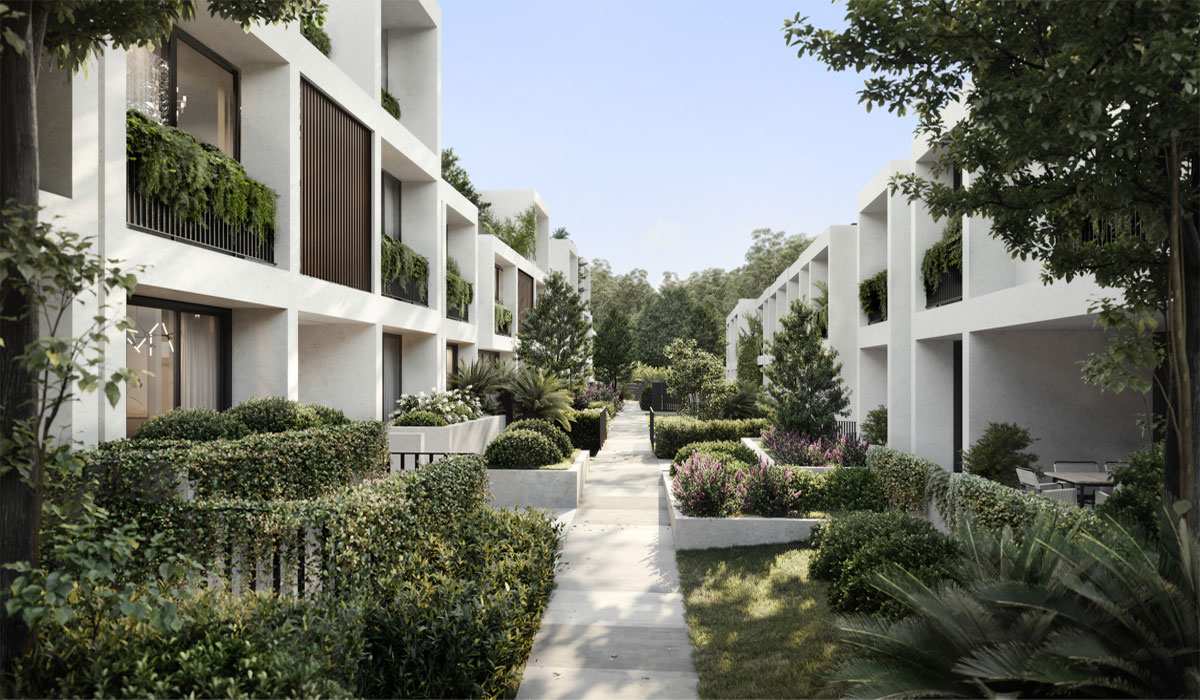
Modern architecture is moving beyond purely functional spaces. Designers are creating experiences within buildings, emphasizing flexibility and emotional engagement. Multi-purpose spaces that can adapt to changing needs are becoming essential in both residential and commercial settings.
Co-living and co-working concepts exemplify this trend. These spaces are designed to foster social interaction while maintaining privacy, integrating communal areas with personal zones. Interior layouts now prioritize fluidity, allowing rooms to transform seamlessly for work, relaxation, or entertainment.
Public spaces are also getting a redesign. Parks, plazas, and cultural hubs are now built to encourage interaction, physical activity, and cultural engagement. Architects are blending open spaces with innovative structures, making cities more vibrant, inclusive, and human-centric.
Bold Aesthetics and Artistic Expression
While functionality and technology are key, aesthetics remain a powerful driver in architecture. 2026 is seeing a surge in bold, artistic designs that challenge traditional forms and defy expectations.
Buildings are no longer just boxes; they are sculptures that interact with their environment. Curved lines, asymmetrical shapes, and colorful façades are increasingly used to create visual impact. Designers are drawing inspiration from nature, art, and cultural heritage to craft structures that are unique and memorable.
Interiors are also embracing maximalism in thoughtful ways. Texture, color, and pattern are combined with sustainable materials to create spaces that are visually rich yet environmentally conscious. The fusion of artistry with practicality is making every building a statement piece, transforming the way people perceive architecture.
Conclusion
2026 promises a transformative era in architecture and design, where sustainability, technology, flexibility, and artistry converge. Buildings are becoming smarter, greener, and more expressive, offering experiences that go beyond traditional expectations.
As cities expand and lifestyles evolve, architects and designers are responding with innovations that not only address practical needs but also elevate human experiences. From eco-friendly skyscrapers to multi-functional interiors and bold artistic façades, the future of architecture is both inspiring and essential.
Image Source:
- First Image from linkedin.com
- Second Image from architecturendesign.net
