From Cozy to Chic: The Must-Know Home Trends of 2026
As we step into 2026, home design continues to evolve with a blend of sustainability, modernity, and comfort.
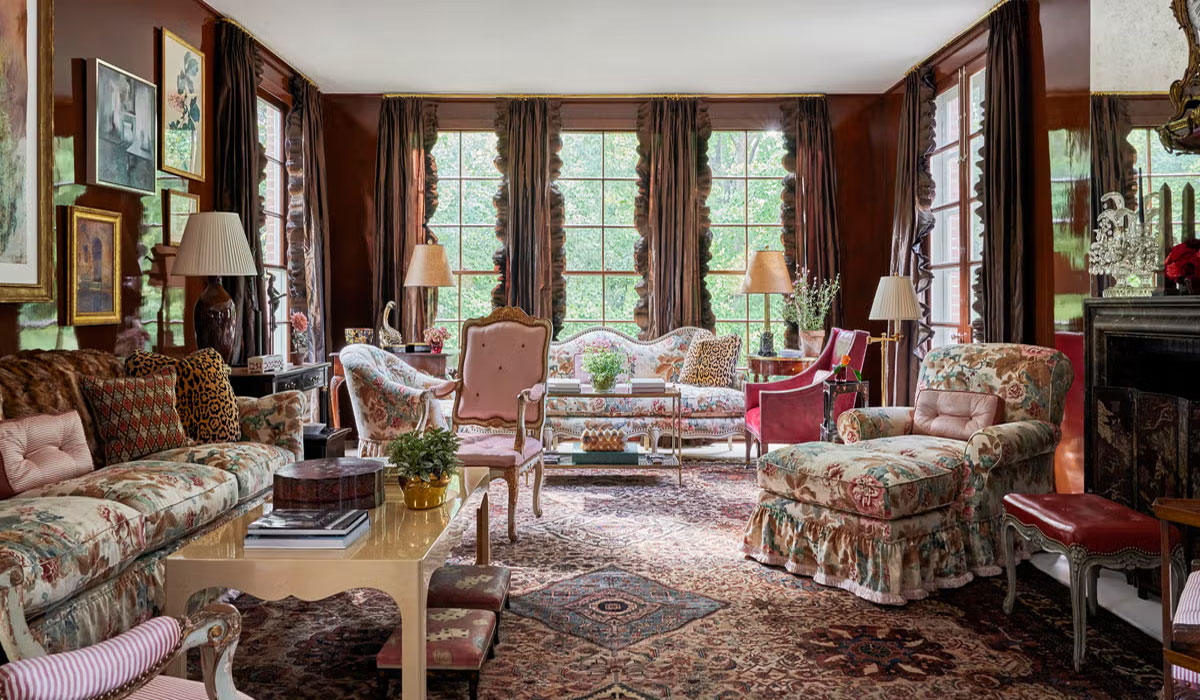
People are increasingly looking for spaces that not only reflect their personal style but also promote a sense of well-being. The home trends of 2026 promise to bring fresh inspiration, merging technological innovations with eco-friendly materials and designs that elevate both functionality and aesthetics. If you’re planning to update your living space, here’s what you need to know about the latest trends that are reshaping homes. You can use Architecture and maximize the benefits of your home design.
Sustainable and Eco-Friendly Design
Sustainability has become a dominant theme in home design, and it’s only growing stronger in 2026. Homeowners are now prioritizing eco-conscious choices in their designs, from using renewable materials to incorporating energy-efficient appliances.
One of the most significant trends is the rise of natural materials such as bamboo, reclaimed wood, and stone. These materials not only add warmth and texture to a home but also offer a more eco-friendly alternative to synthetic options. Bamboo, for instance, is not only renewable but incredibly durable, making it a popular choice for flooring, furniture, and even wall treatments.
In addition to materials, home energy efficiency is a key focus. Solar panels, energy-efficient windows, and high-performance insulation are being incorporated into new builds and renovations alike. These features allow homeowners to significantly reduce energy consumption, lower utility bills, and live more sustainably.
Smart Homes: The Intersection of Technology and Comfort
2026 will see smart home technology evolve beyond just voice assistants and smart lights. The future of smart homes is about creating an interconnected ecosystem where every device works seamlessly together to enhance comfort, security, and convenience. With the rise of the Internet of Things (IoT), homes are becoming increasingly intuitive, responding to the needs of the people living in them.
One of the most exciting innovations is the integration of AI into home automation systems. These systems will be able to learn from your daily routines and preferences, adjusting lighting, temperature, and even entertainment systems automatically. Imagine walking into your home, and it already knows to dim the lights, play your favorite playlist, and adjust the thermostat based on your comfort level.
Security is another area where smart technology is making waves. Facial recognition, smart cameras, and motion sensors are now part of advanced home security systems that can be controlled remotely from your smartphone. These technologies not only enhance safety but also provide peace of mind, making it easier than ever to monitor and protect your home from anywhere in the world. As smart home technology becomes more sophisticated, the experience of living in a connected space will continue to improve.
Also Read: Modern Comforts and Timeless Style: Ideas to Elevate Your Home
Biophilic Design: Bringing Nature Indoors
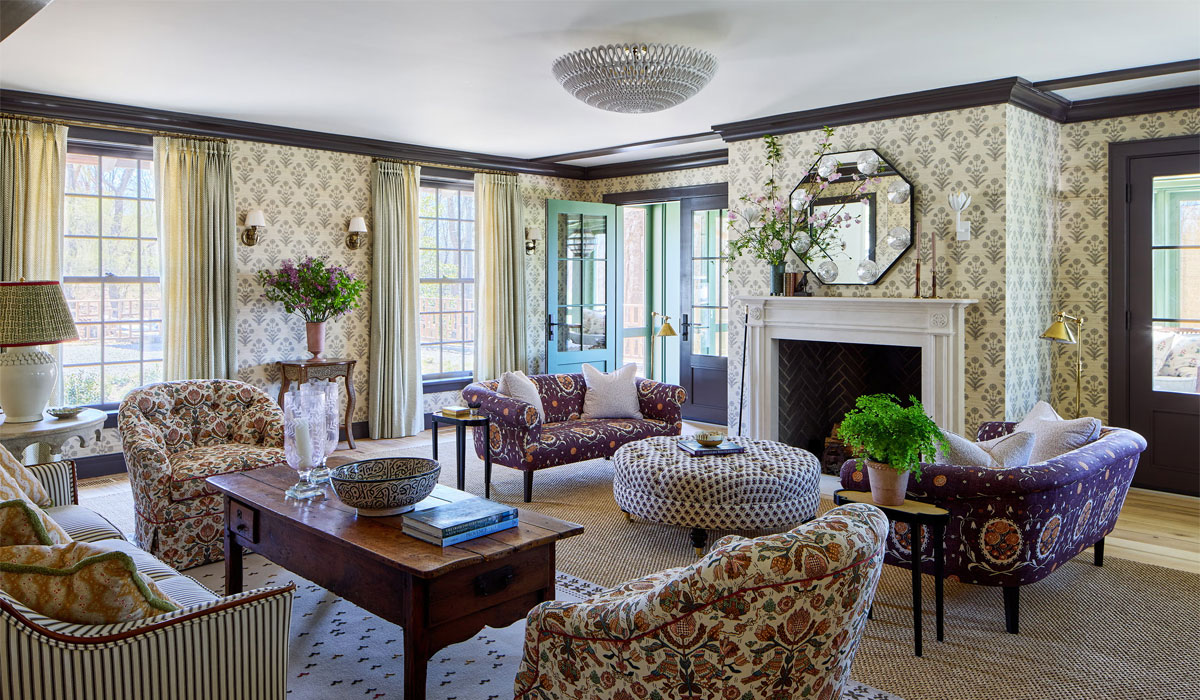
In 2026, biophilic design is set to become a central element in modern homes. This concept revolves around connecting people with nature through design, improving both mental and physical well-being. By incorporating natural elements into indoor spaces, biophilic design promotes relaxation, creativity, and a sense of tranquility.
One of the easiest ways to integrate biophilic elements is by adding indoor plants. These can range from small potted plants to larger trees that serve as focal points in a room. In addition to improving air quality, plants add a calming, natural touch to any room.
Beyond plants, natural lighting and natural textures are key components of biophilic design. Homes are being designed with large windows to maximize natural light, creating brighter, more inviting spaces. Wooden furniture, stone countertops, and organic fabrics like linen and cotton also contribute to a warm, nature-inspired atmosphere. This trend is not just about aesthetics; it’s about creating spaces that nurture both body and mind.
Multifunctional Spaces: Adapting to Changing Lifestyles
As remote work and flexible living arrangements become the norm, the need for multifunctional spaces is on the rise. In 2026, homes are being designed with adaptability in mind, ensuring that every room can serve more than one purpose.
One of the top trends in multifunctional spaces is the use of modular furniture. For example, a sofa bed can easily transform into a comfortable work area, or a folding table can expand to accommodate guests when needed. This level of adaptability is essential for people who want to maximize space in smaller homes or apartments.
Additionally, kitchens and dining areas are becoming more integrated with living spaces, blurring the lines between cooking, entertaining, and relaxing. Open-plan designs that incorporate multifunctional islands, movable kitchen carts, and expandable dining tables are becoming increasingly popular.
Conclusion
The home trends of 2026 are all about creating spaces that are both functional and inspiring. Sustainability, smart home technology, biophilic design, and multifunctional spaces are at the forefront of this evolution, offering homeowners a chance to design homes that truly reflect their lifestyles and values.
These trends are not just about aesthetics; they’re about creating environments that support mental and physical well-being, foster connections, and adapt to the ever-changing needs of modern life. Whether you’re renovating your current home or starting from scratch, embracing these trends will help you create a space that’s both beautiful and practical.
Image Source:
- First Image from linkedin.com
- Second Image from architecturendesign.net
